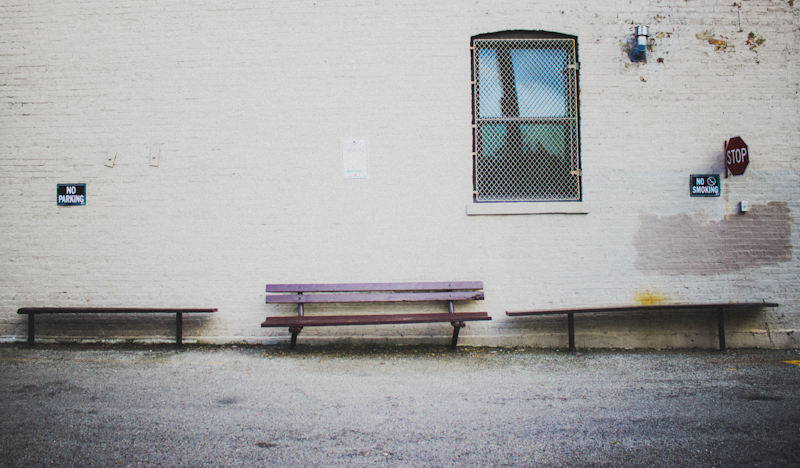
Photos taken: April 19, 2014 // This post contains affiliate links
Today, we’re delving into the dark past of Chicago’s infamous Iroquois Theater and its chilling “Death Alley” story. But fear not, this is a journey of curiosity and empathy, as we uncover the tragic events that unfolded in the heart of the Windy City.
Back in 1903, the Iroquois Theater stood tall and proud on Randolph Street, boasting the title of the “world’s safest theater.” But alas, fate had a different plan on that December day.
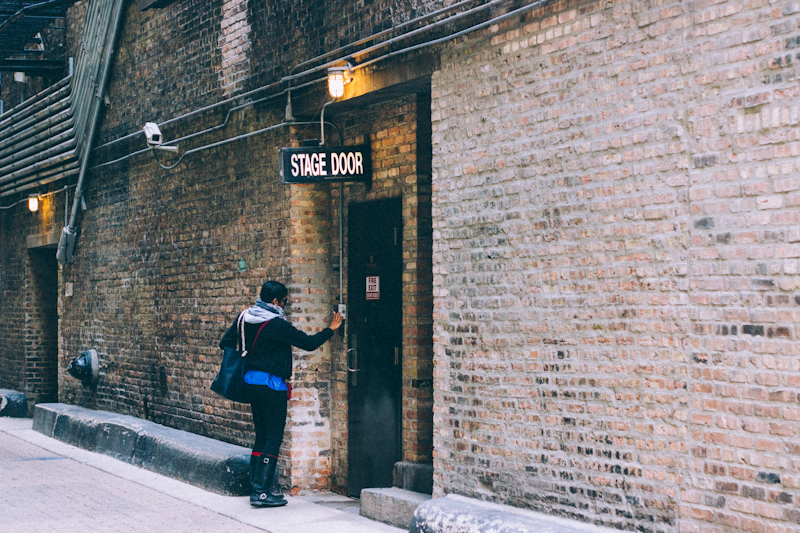
The theater was all set to stage the grand musical spectacle, “Mr. Bluebeard.” Crowds of excited theatergoers filled the majestic halls, looking forward to an unforgettable night. However, what they didn’t know was that the Iroquois Theater was far from fireproof – despite its claims.
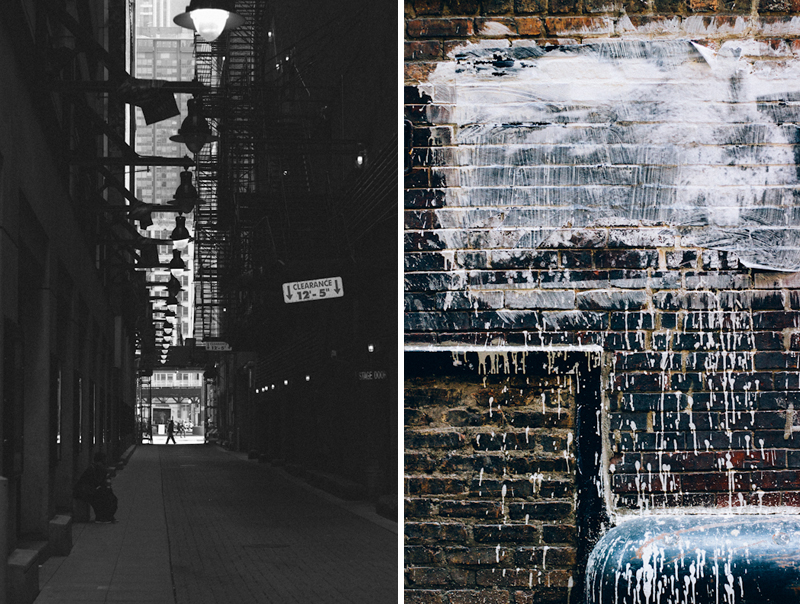
As the curtains rose and the show began, the audience was blissfully unaware of the potential danger lurking backstage. A small electrical fire ignited, and panic spread like wildfire. In mere minutes, the “world’s safest theater” transformed into a nightmarish inferno.
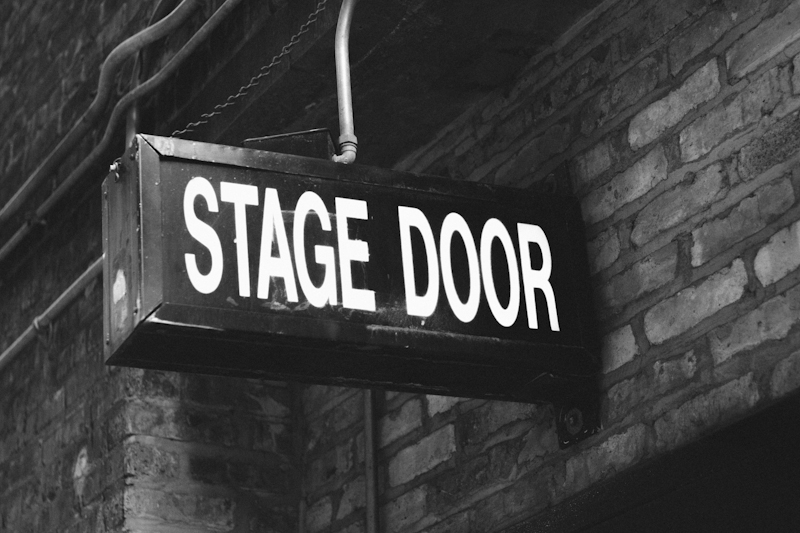
Amidst the chaos, the theater’s design played a cruel role. The narrow exits, locked doors, and inadequate fire escapes trapped hundreds inside. People rushed to escape through the infamous “Death Alley,” a narrow passageway that quickly earned its chilling name.
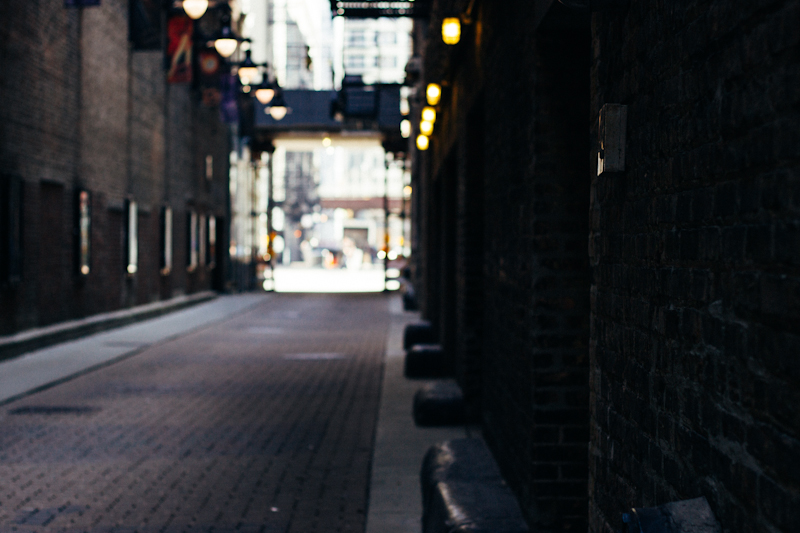
As the tragedy unfolded, 600 lives were lost that day, making it one of the deadliest theater fires in history. Families were torn apart, dreams were shattered, and the city mourned the loss of so many innocent souls.
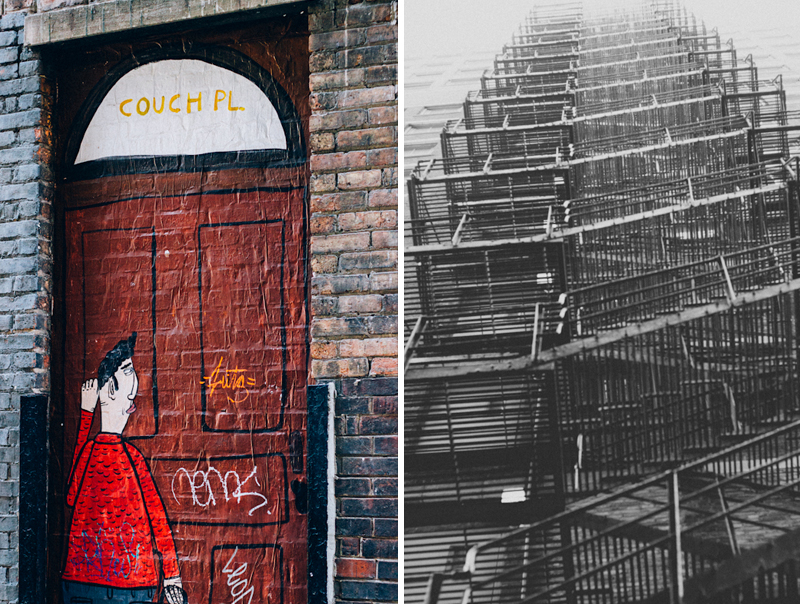
In the aftermath, Chicago came together to address the safety concerns raised by the Iroquois Theater disaster. New regulations and standards were established, ensuring that such a catastrophe would never be repeated. Architects and engineers learned from the mistakes, and fire safety became a priority in public spaces.
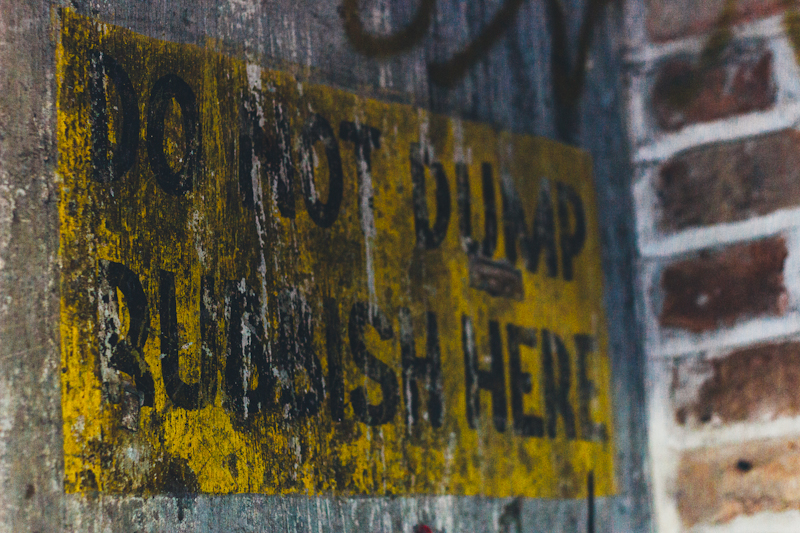
Today, “Death Alley” no longer haunts the streets of Chicago, but the memory lingers on, reminding us of the importance of safety and preparedness. It’s a sobering reminder of how tragedy can strike unexpectedly, and how communities can come together to heal and protect one another.
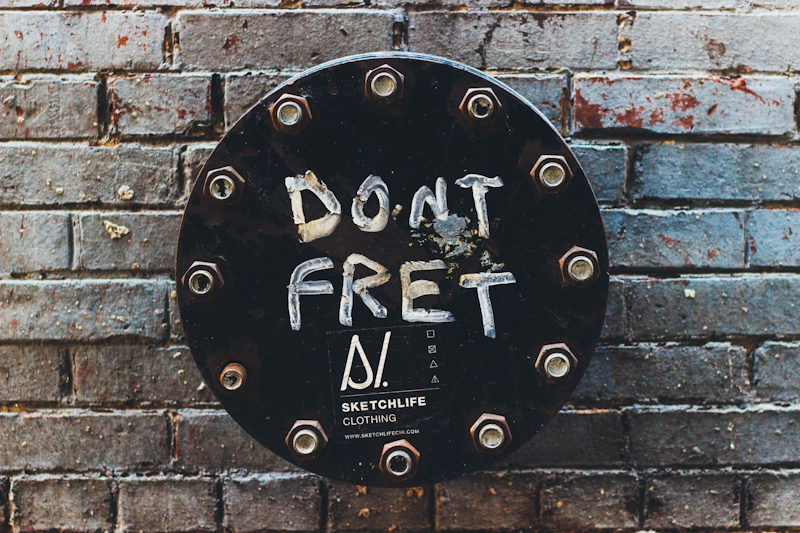
As we pay homage to those who lost their lives in the Iroquois Theater disaster, let’s also celebrate the resilience and unity that emerged from the ashes. May we always remember and learn from history’s darkest chapters, so that we may create a safer and brighter future for generations to come.
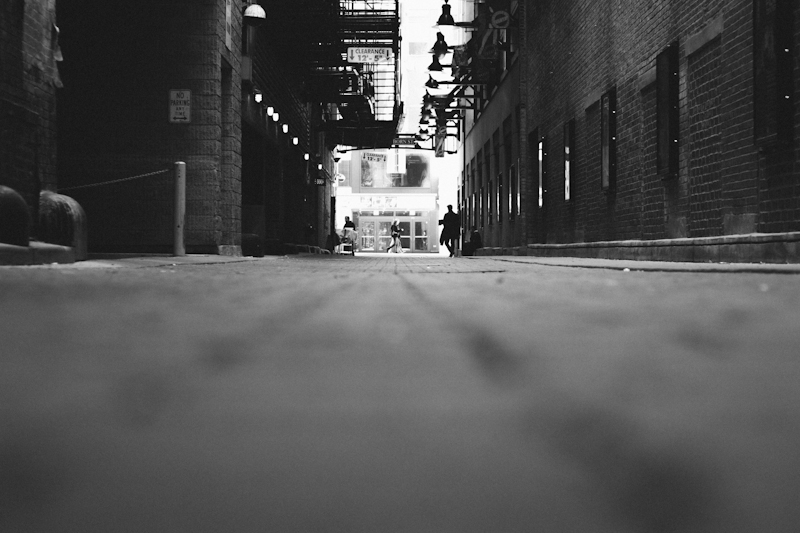
So, the next time you stroll past Randolph Street, take a moment to remember the Iroquois Theater and its “Death Alley” story. And in doing so, honor the lives lost and the lessons learned from that fateful day in Chicago’s history.
Gear Used:
- Canon T3i (discontinued). New version: Canon T8i
- Canon EF 50mm f/1.8 STM Lens